
How the Sokoto Afforestation Program is Transforming Sokoto State
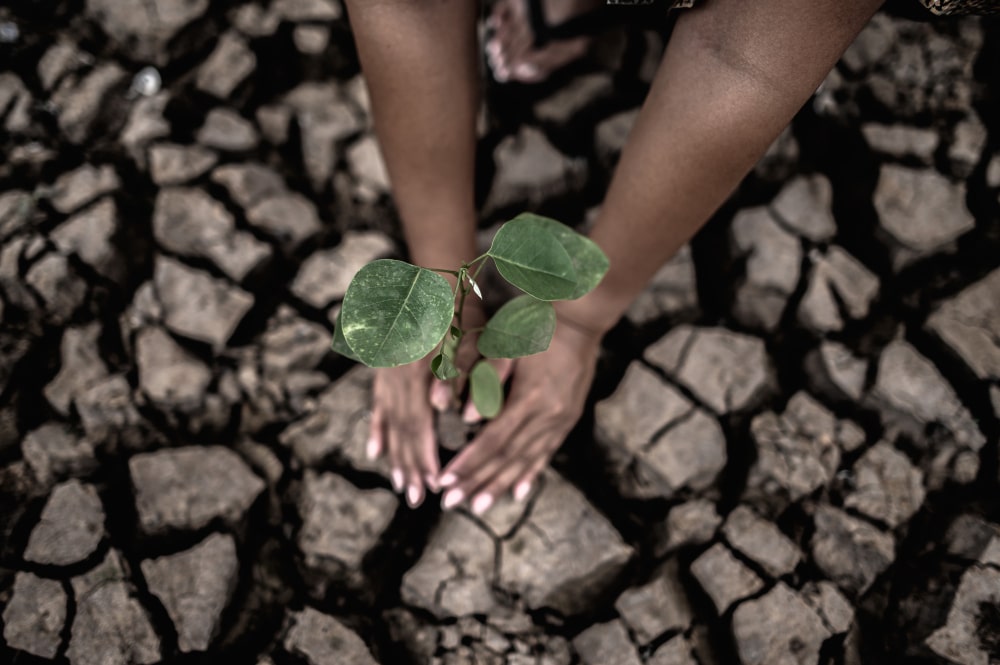
Sokoto State, located in the northwestern region of Nigeria, has long faced environmental challenges such as desertification, deforestation, and land degradation. These issues have threatened the livelihoods of communities, reduced agricultural productivity, and contributed to climate change. However, the Sokoto Afforestation Program is leading the charge to reverse these trends and create a greener, more sustainable future for the state. Through large-scale tree planting, community engagement, and innovative conservation practices, the program is transforming Sokoto State in remarkable ways.
1. Restoring Degraded Lands
One of the most significant impacts of the Sokoto Afforestation Program is the restoration of degraded lands. Through targeted tree-planting initiatives, the program has revitalized thousands of hectares of barren and unproductive land.
- Before and After: Areas that were once dry and lifeless are now thriving with trees, grasses, and wildlife.
- Soil Improvement: Tree roots help prevent soil erosion, improve soil fertility, and retain moisture, making the land more suitable for agriculture.
2. Combating Desertification
Desertification is a major threat in Sokoto State, but the afforestation program is actively combating this issue. By planting trees and implementing sustainable land management practices, the program is creating natural barriers against the encroaching desert.
- Windbreaks: Trees act as windbreaks, reducing the impact of strong winds that contribute to soil erosion.
- Water Retention: Trees help retain water in the soil, making it more resilient to droughts.
3. Empowering Communities
The Sokoto Afforestation Program is not just about planting trees—it’s about empowering communities to take charge of their environment. Through education, training, and hands-on involvement, the program has engaged thousands of local residents in its efforts.
- Volunteer Opportunities: Community members participate in tree-planting drives, workshops, and awareness campaigns.
- Economic Benefits: Trees provide resources such as fruits, nuts, and timber, creating new income opportunities for families.
- Sustainable Practices: Farmers are trained in agroforestry techniques, which integrate trees into farming systems to improve yields and sustainability.
4. Enhancing Biodiversity
The program’s efforts have led to a noticeable increase in biodiversity across Sokoto State. Trees provide habitat and food for a variety of plants, birds, insects, and animals, creating a more balanced and resilient ecosystem.
- Wildlife Return: Areas that were once barren are now home to birds, small mammals, and insects.
- Plant Diversity: The introduction of native tree species has encouraged the growth of other plants, further enriching the ecosystem.
5. Fighting Climate Change
Trees are one of the most effective tools for combating climate change. Through carbon sequestration, the Sokoto Afforestation Program is helping to reduce the amount of CO2 in the atmosphere, mitigating the effects of global warming.
- Carbon Storage: A single tree can absorb up to 48 pounds of CO2 per year. The program’s efforts have resulted in the planting of over [X] trees, making a significant impact on carbon reduction.
- Cooling Effect: Trees provide shade and cool the environment, reducing the urban heat island effect in cities and towns.
6. Improving Quality of Life
The benefits of the Sokoto Afforestation Program extend beyond the environment—they also improve the quality of life for residents. Trees provide clean air, shade, and beautiful green spaces where people can relax and connect with nature.
- Health Benefits: Trees filter pollutants from the air, reducing respiratory illnesses and improving overall health.
- Mental Well-being: Green spaces have been shown to reduce stress and improve mental well-being.
- Community Spaces: Parks and green areas created by the program have become gathering spots for families and communities.
7. Building Partnerships for a Greener Future
The success of the Sokoto Afforestation Program is due in large part to its partnerships with local and international organizations. These collaborations have brought additional resources, expertise, and support to the program.
- Government Agencies: Collaboration with the Sokoto State Ministry of Environment and other government bodies.
- NGOs: Partnerships with organizations like the Green Earth Initiative and World Wildlife Fund (WWF).
- Corporate Sponsors: Support from businesses committed to sustainability and corporate social responsibility (CSR).
8. Inspiring a Movement
The Sokoto Afforestation Program is more than just a local initiative—it’s inspiring a movement for environmental conservation across Nigeria and beyond. By demonstrating the power of community-driven action, the program is setting an example for other regions facing similar challenges.
- Awareness Campaigns: The program has raised awareness about the importance of afforestation and environmental sustainability.
- Youth Engagement: Schools and youth groups are actively involved in tree-planting activities, fostering a new generation of environmental stewards.
Join Us in Transforming Sokoto State
The Sokoto Afforestation Program is proof that positive change is possible. Through the collective efforts of communities, partners, and volunteers, Sokoto State is being transformed into a greener, healthier, and more sustainable place to live.