

The Science Behind Tree Planting: Best Practices for Afforestation
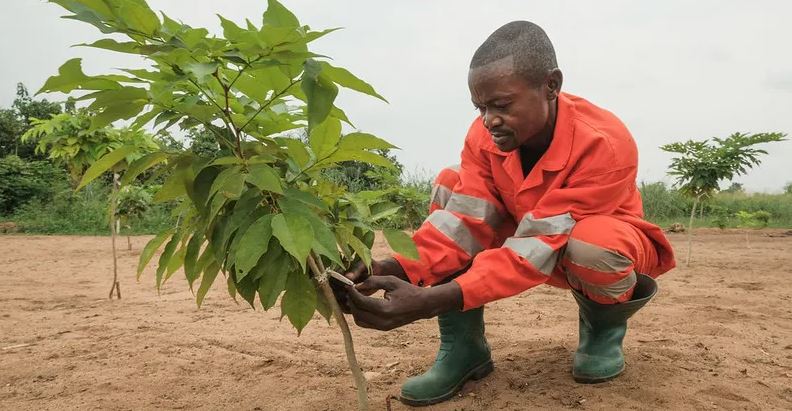
Tree planting is more than just putting a sapling in the ground—it’s a science. Successful afforestation requires careful planning, the right techniques, and ongoing care to ensure that trees thrive and deliver their full environmental benefits. At the Sokoto State Afforestation Program, we combine scientific knowledge with practical experience to maximize the success of our tree-planting initiatives. In this article, we explore the science behind tree planting and share best practices for afforestation.
1. Choosing the Right Tree Species
Not all trees are created equal. Selecting the right species for a specific location is crucial for the success of any afforestation project. Factors to consider include:
- Climate and Soil Conditions: Choose species that are well-suited to Sokoto State’s semi-arid climate and soil types. Native species are often the best choice because they are adapted to local conditions.
- Purpose of Planting: Different trees serve different purposes. For example, fruit trees provide food, while timber trees offer economic benefits. Fast-growing species may be ideal for quick soil stabilization.
- Biodiversity: Planting a mix of species promotes biodiversity and creates a more resilient ecosystem.
2. Site Preparation
Proper site preparation is essential to give trees the best chance of survival. This includes:
- Soil Testing: Analyze the soil to determine its pH, nutrient levels, and texture. This helps identify any amendments needed to improve soil quality.
- Clearing and Tilling: Remove weeds and debris that could compete with young trees for nutrients and water. Tilling the soil can improve aeration and root penetration.
- Water Management: Ensure the site has adequate drainage to prevent waterlogging, which can harm tree roots.
3. Planting Techniques
The way trees are planted can significantly impact their growth and survival. Here are some best practices:
- Planting Depth: Dig a hole that is deep enough to accommodate the tree’s root system but not so deep that the root collar (where the roots meet the trunk) is buried.
- Spacing: Proper spacing between trees prevents competition for resources and allows for healthy growth. The ideal spacing depends on the species and the purpose of planting.
- Mulching: Apply a layer of mulch around the base of the tree to retain moisture, regulate soil temperature, and suppress weeds.
4. Watering and Irrigation
Young trees need consistent watering to establish their root systems. However, overwatering can be just as harmful as underwatering. Key considerations include:
- Frequency: Water newly planted trees regularly, especially during dry periods. Gradually reduce watering as the tree becomes established.
- Irrigation Methods: Drip irrigation is an efficient way to deliver water directly to the tree’s roots, minimizing water waste.
- Rainwater Harvesting: Collect and store rainwater for use during dry seasons.
5. Maintenance and Care
Afforestation doesn’t end with planting—ongoing care is essential to ensure the long-term success of the trees. This includes:
- Weeding: Remove weeds that compete with trees for nutrients and water.
- Pruning: Regularly prune trees to remove dead or diseased branches and promote healthy growth.
- Pest and Disease Management: Monitor trees for signs of pests or diseases and take appropriate action to address any issues.
6. Monitoring and Evaluation
Tracking the progress of afforestation projects is crucial to measure their success and identify areas for improvement. This involves:
- Survival Rates: Monitor the survival rates of planted trees and investigate any losses.
- Growth Rates: Measure the growth of trees over time to assess their health and development.
- Environmental Impact: Evaluate the impact of afforestation on soil quality, water retention, and biodiversity.
7. Community Involvement
Successful afforestation requires the active participation of local communities. Engaging community members in tree planting and care fosters a sense of ownership and ensures the long-term sustainability of the project.
- Education and Training: Provide training on tree planting and maintenance techniques.
- Volunteer Programs: Encourage community members to participate in tree-planting drives and other activities.
- Awareness Campaigns: Raise awareness about the importance of trees and the benefits of afforestation.
8. The Role of Technology
Modern technology can enhance the effectiveness of afforestation efforts. Tools such as geographic information systems (GIS), drones, and remote sensing can be used to:
- Site Selection: Identify the best locations for tree planting based on soil, climate, and land use data.
- Monitoring: Track the growth and health of trees over time.
- Data Analysis: Analyze data to improve decision-making and optimize afforestation strategies.
Join Us in Planting the Future
At the Sokoto State Afforestation Program, we are committed to using science-based practices to ensure the success of our tree-planting initiatives. By following these best practices, we can create a greener, healthier, and more sustainable Sokoto State.